
Bee Pollen
Nature’s original multivitamin

Hello!
This is Issue #4 of Funky Foods, where I share fun ways to get more creative in the kitchen! Because life’s too short for basic meals.
✨ Bee Pollen
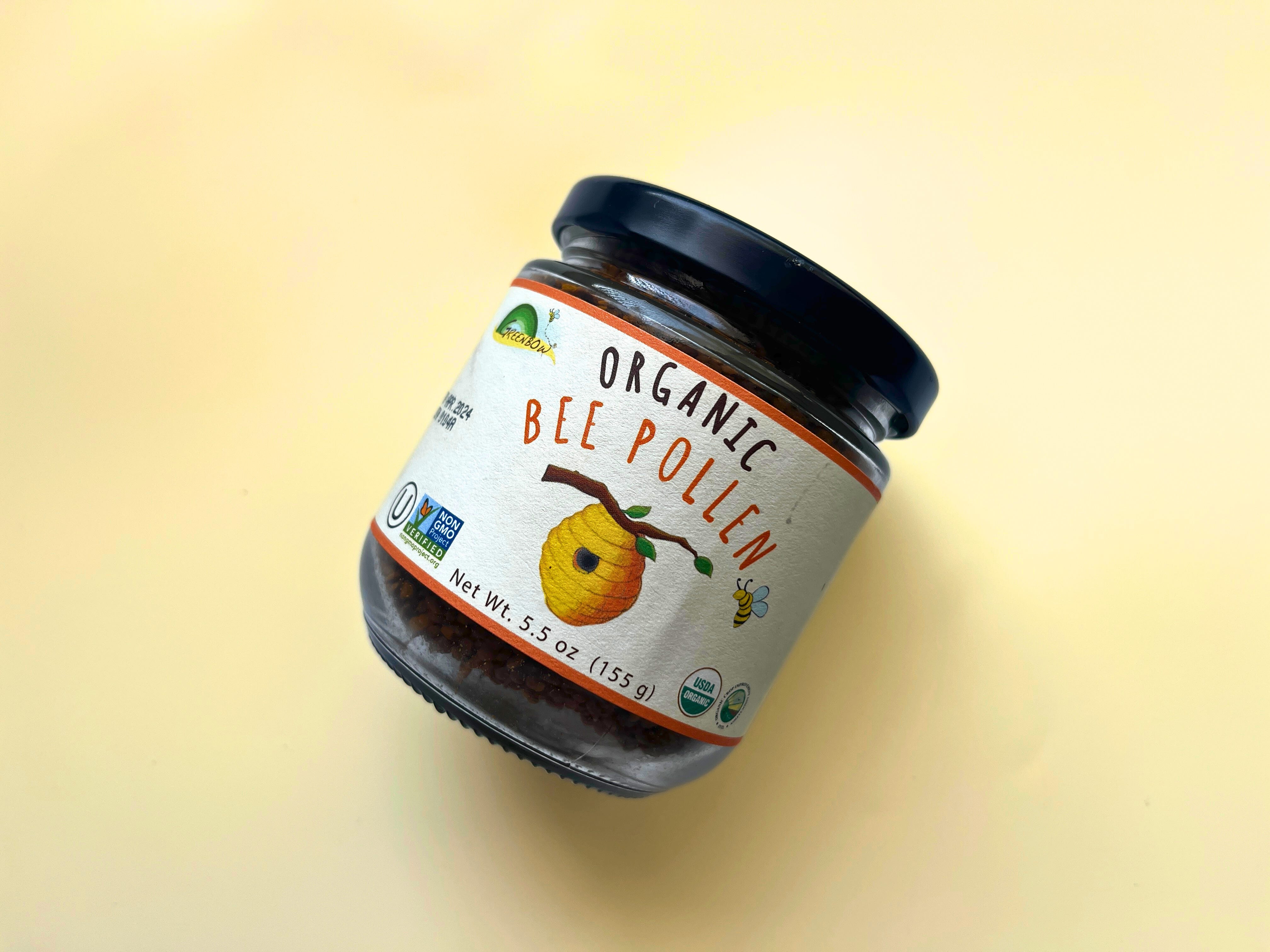
THE DISCOVERY
I first stumbled onto bee pollen in a cookbook called Tales From a Forager’s Kitchen—a whimsical, fairy-dusted collection of recipes that made me want to run barefoot through a meadow and bake moss cakes. 🌿🍄
This was before the whole controversy around it (now you can’t even find the book online!), but at the time, it felt like uncovering a secret world. A couple of the recipes featured bee pollen, so naturally, I hunted some down and ordered it online.
Fast forward a few years—now living in sunny San Diego 🌞—I started spotting local bee pollen at farmers markets and health food stores.
With spring in full bloom, it felt like the perfect moment to crack open a fresh jar and sprinkle a little sunshine on everything. 🐝✨
ABOUT
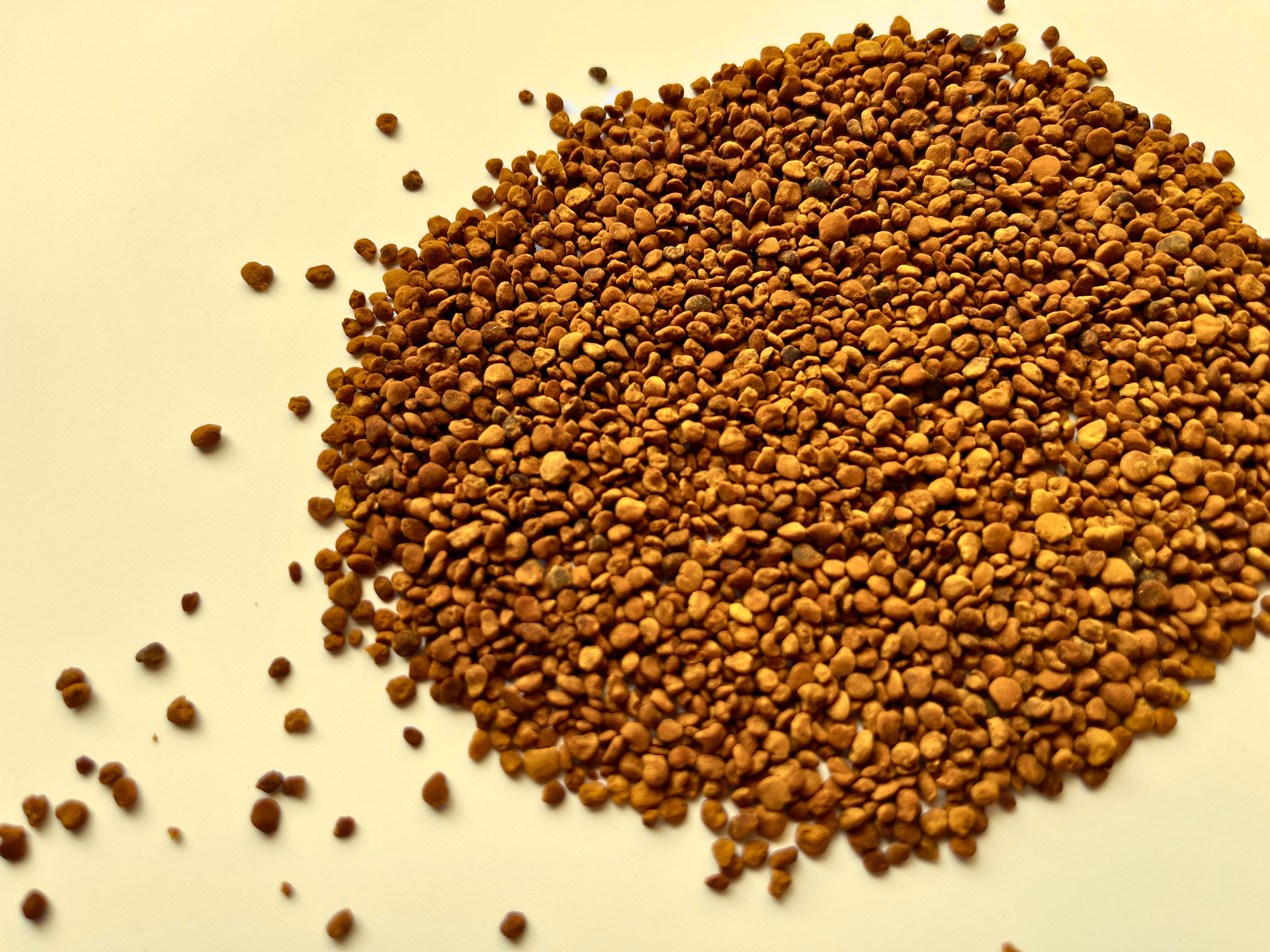
Bee pollen is basically nature’s original multivitamin. 🍯🌸
It’s made when bees collect tiny grains of pollen from flowers and mix them with a little nectar and their own saliva (gross, I know 😝) to form teeny-tiny golden nuggets.
The bees stash it away in their honeycombs for snack time. 🐝🍴
Each batch of bee pollen is a little different depending on the flowers the bees visited—like a snapshot of the local ecosystem, captured in delicious, dusty little granules. 🌻🌼🌷
And yes, it’s really good for you.
Bee pollen is packed with protein (up to 35% by weight!), vitamins, minerals, antioxidants, and amino acids.
Some people even call it “the perfect food” because it’s loaded with so many nutrients your body loves. 💪
It’s also been used for centuries to boost energy, support immunity, and even help with seasonal allergies (though research is still unfolding there!).
One important note: bee pollen is a bee product, so if you’re allergic to bees or pollen, you’ll want to skip it (or check with your doctor first).
Safety first, flavor second. 🩺💛
TASTE
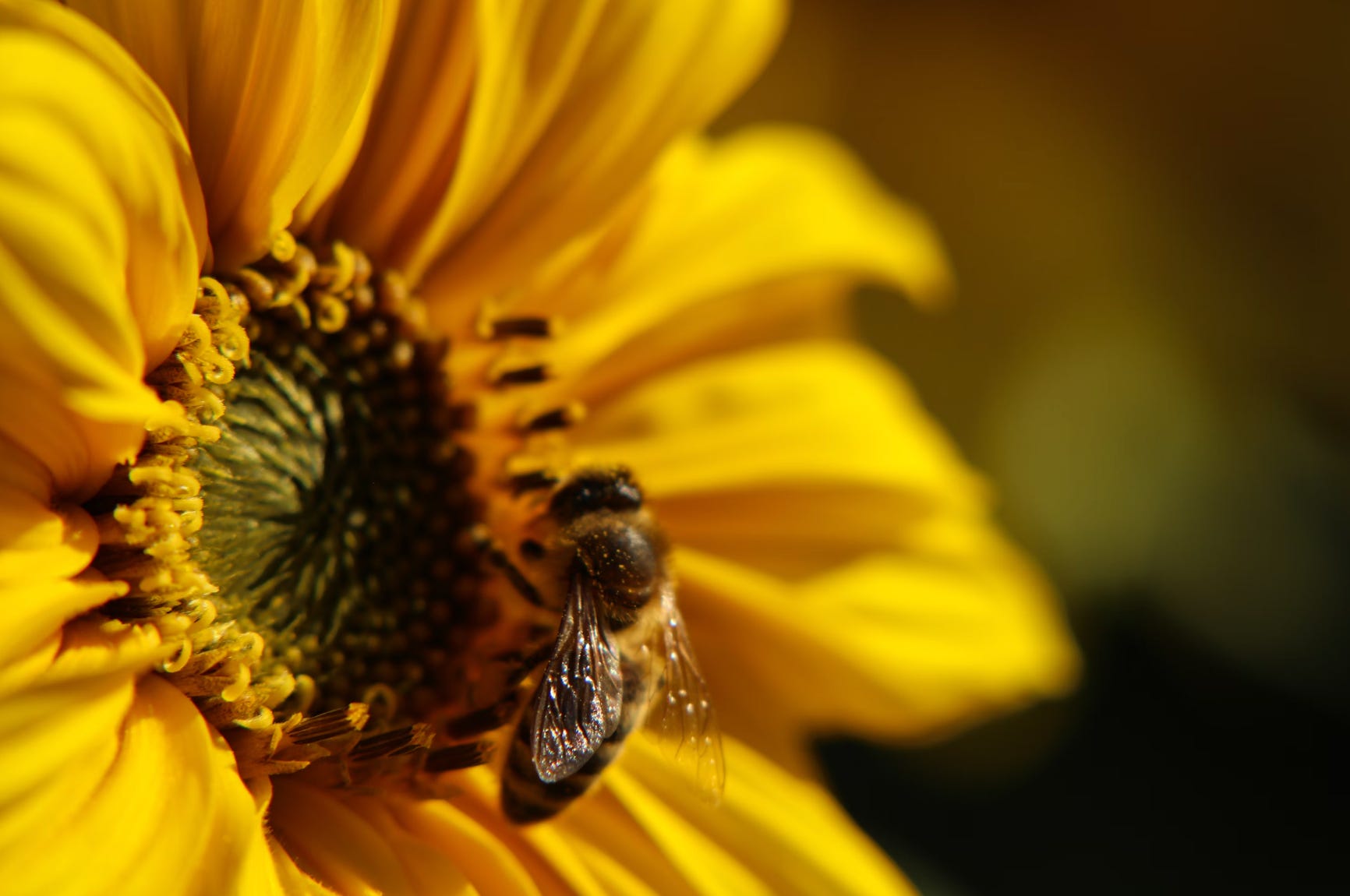
Imagine if flowers and honey had a baby—that’s pretty much what bee pollen tastes like. 🌸🍯
It’s floral, a little sweet, a little earthy, and sometimes even a tiny bit bitter (depending on which flowers the bees visited). Some people even pick up fruity, nutty, or grassy notes.
The texture is part of the magic too: it’s slightly dusty at first, then melts into this soft, creamy finish as you chew. ✨
Bee pollen doesn’t hit you over the head with flavor—it’s more of a gentle sprinkle of “ooh, what’s that?” that makes your food feel a little extra special. 🌟
It’s delicate, and it tastes like springtime itself.
SUGGESTED USES


Now that we’ve established bee pollen is Mother Nature’s Health Sprinkles, let’s talk about how to get it on your food.
🍓 Smoothies – Add a spoonful to your favorite smoothie for an extra punch of nutrition and a touch of floral sweetness.
🍯 Yogurt – Sprinkle on top of your morning yogurt for a little texture and a lot of flavor. Pro tip: add some honey to make it a honey bee combo.
🌞 Oatmeal – Make your breakfast feel extra fancy by topping your oatmeal with bee pollen, fresh fruit, and a drizzle of maple syrup.
🥗 Salads – Toss it over your leafy greens for an earthy, floral pop. Or even better, add it to your vinaigrette!
🧁 Baked Goods – Sprinkle it over muffins, cookies, or bread for a little boost of color and nutrition.
🍇 Acai Bowls – Top your acai bowl with bee pollen for that next-level flair and a touch of sweetness.
🥣 Granola – Add it to your homemade granola or sprinkle on top of store-bought for an extra nutrient-packed crunch.
🍫 Energy Bites – Toss it in with dates, nuts, and cacao for a simple snack that’ll keep you buzzing all day.
🍞 Toast – Peanut butter toast, avocado toast, egg toast…whatever toast you’re into, a sprinkle of bee pollen is a must.
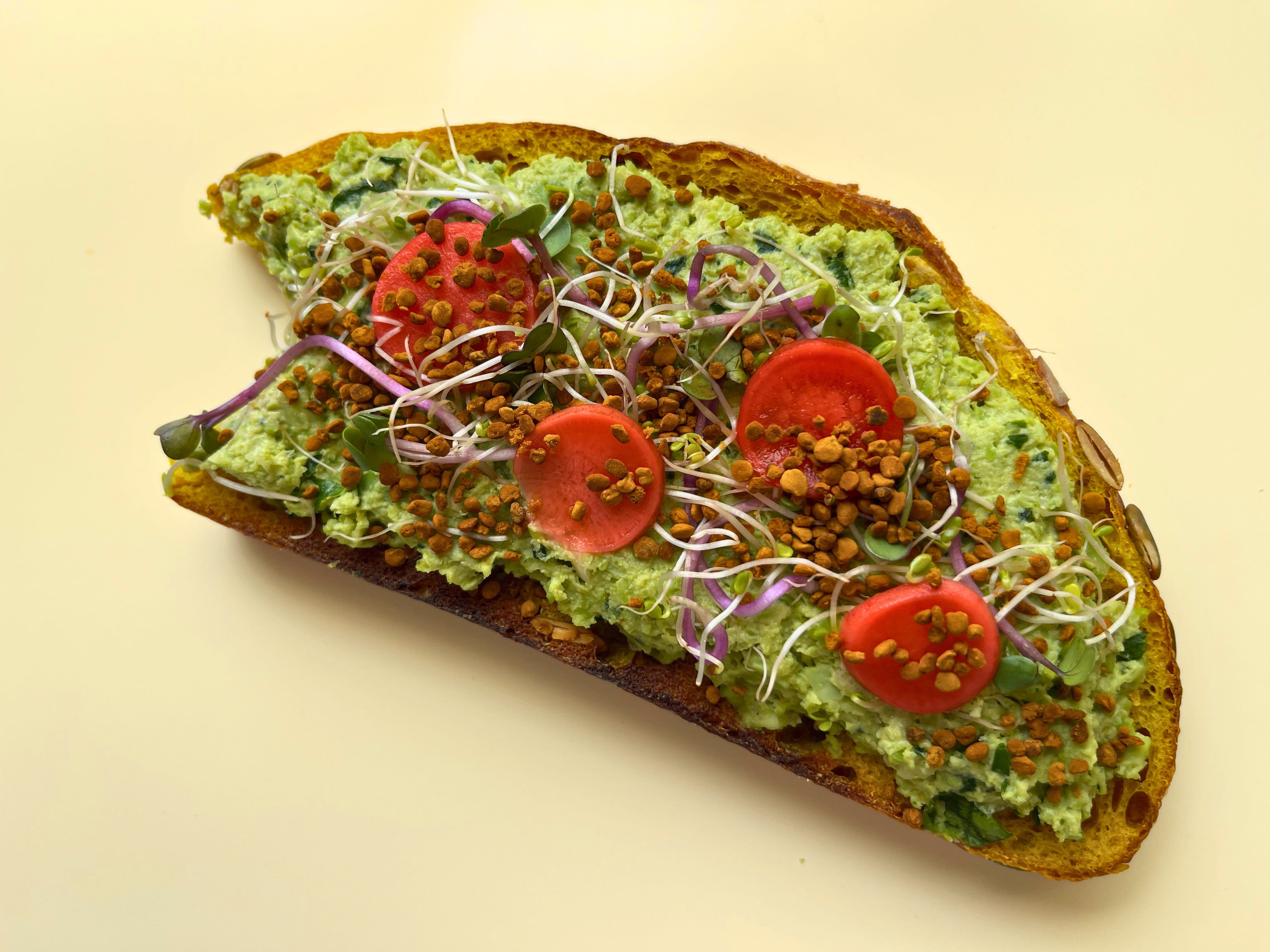
🌿 Edamame Toast with Microgreens, Pickled Radishes & Bee Pollen
This vibrant, protein-packed spread is the perfect way to celebrate spring and get your daily dose of nutrients in one delicious bite. It’s the ultimate feel-good toast—perfect for breakfast, lunch, or a snack that’s both wholesome and tasty. This recipe is adapted from Rainbow Plant Life.
Ingredients
For the Edamame Spread:
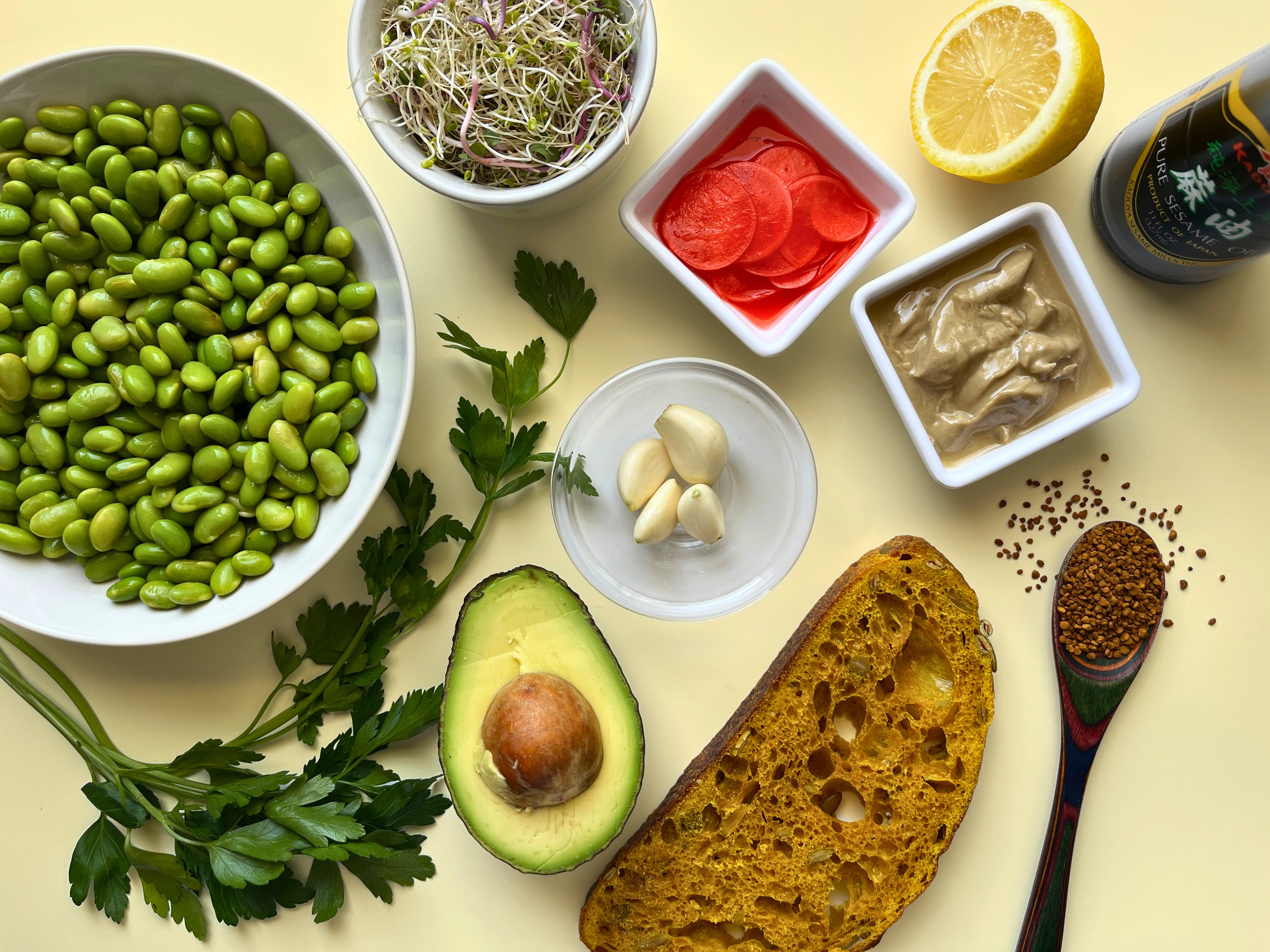
1/4 cup (56g) tahini
12 ounces (340g) shelled frozen edamame
1/2 a medium ripe avocado
4 garlic cloves, roughly chopped
1 big handful parsley leaves (about 1/2 cup or 8g), thick steams removed
1 teaspoon toasted sesame oil
1 lemon zested and juiced
1 teaspoon kosher salt
For Serving
Microgreens
Pickled radishes or red onions
1 tablespoon bee pollen
1 slice of toasted crusty bread
Instructions
Place the frozen edamame in a bowl and cover with boiling water. Let sit for 10 - 15 minutes to thaw.
Add the tahini, edamame, avocado, garlic, parsley, sesame oil, lemon zest and juice, and salt to a food processor or, use an inmmersion blender.
Start blending until it turns into a dip. Season with more salt, sesame oil, or lemon juice to taste as desired.
Toast your bread of choice. Spread the edamame mixture onto each slice of bread.
Top with microgreens, pickled radishes, and bee pollen.
Store the leftover spread in an airtight container in the fridge for 1 to 2 weeks.
📝 Test Kitchen Notes
Edamame Prep: If you’re good at doing things ahead of time, take the edamame out of the freezer and let it thaw in the fridge overnight, then skip Step 1.
Tahini Swap: If you don’t have tahini, substitute with sunflower seed butter or cashew butter. It’ll change the flavor but give the spread a nice creamy texture.
Season to Taste: Taste as you go! The balance of salt, lemon, and sesame oil makes a huge difference in how vibrant the spread is. Add more lemon juice or sesame oil depending on how zingy or nutty you like it.
Storage Tip: The green color of the spread may fade over time, but it’ll still taste just as fresh and delicious!
Fun Topping Ideas: Don’t stop at the pickled radishes and microgreens! Other tasty toppings include crumbled feta, roasted tomatoes, or a few extra lemon zest shavings for a pop of citrus.
🕺 7 Ways to Jazz Up Edamame

Edamame is the MVP of plant-based protein—cheap, nutritious, and endlessly versatile! And if you’re like me, trying to get in more protein without breaking the bank, then try out one of these fun recipes!
Edamame Ice Cream: Yes, you heard me. Blend edamame into a creamy, slightly nutty ice cream for a totally unexpected (and high-protein!) treat.
Edamame Hummus: A some edamame to your favorite hummus recipe for a lil exta protien.
Edamame Guacamole: Mash edamame right into your guac for an extra boost of protein and a gorgeous pop of green. Perfect for dipping chips or dolloping onto toast.
Edamame Burger: A Meatless burger alternative that’s as filling as the real thing.
Crispy Edamame Snack: Roast edamame until crispy for a snack that’s better than chips.
Edamame Cucumber Salad: Bright, crunchy, and refreshing—pair edamame with cucumbers and a light vinaigrette for a great spring salad.
Edamame Pesto Pasta: Blend edamame into a creamy pesto sauce, toss with hot pasta, and finish with a shower of lemon zest. Instant dinner magic.
👀 Funky Finds
Kitchens That Grow on Trees (Literally)
Flower Ice Pops by Claire Boscher that I wish were real and not AI
Feast your eyes on the finalists of the World Food Photography Awards 2025.
Fall in love with the intricate beauty of Ukrainian egg decorating (pysanky) in this calming, mesmerizing video.
😋 Happy creative cooking - Tess
When I lived in France in the early 90’s, the big thing was Royal Jelly. I think it’s some kind of derivative of bee pollen. It was known to boost energy. Great article, reminds me of how nature provides us everything we don’t even know we need. Merci